Embroidery Flower Design Review
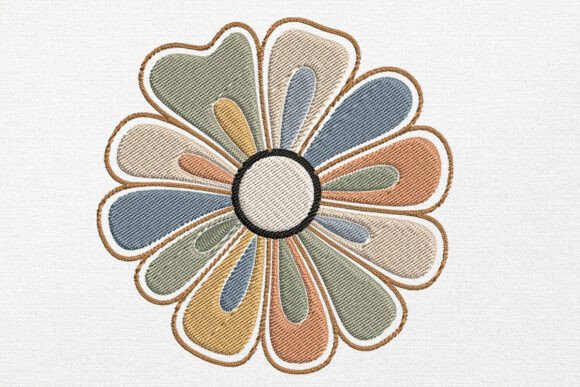
As an experienced embroidery designer, I often test new machine embroidery designs to ensure they meet the high standards of personalized gift products. The Embroidery Flower Design caught my attention with its boho floral style and minimalist appeal. This embroidery file has potential for a wide range of applications, from baby items to wedding keepsakes. Let me walk you through how it performs in real-world scenarios.
The First Impression: Mood and Detail
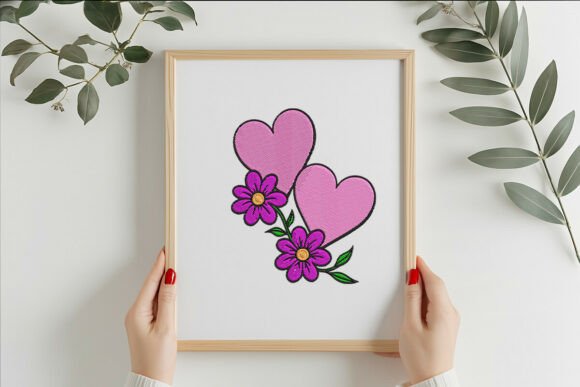
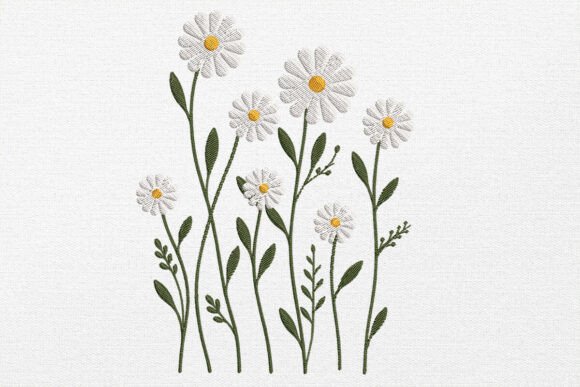
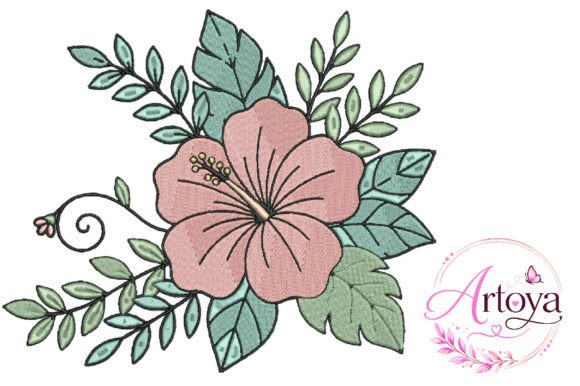
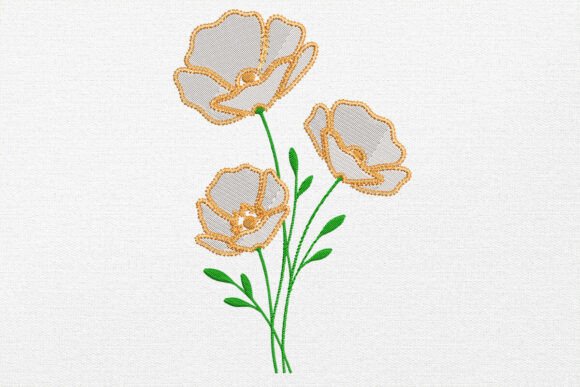
The Embroidery Flower Design exudes a soft, elegant charm. Its wildflower motif is simple yet refined, making it ideal for those who appreciate minimalism. The design feels handmade, which adds to its authenticity. It’s not overly intricate, but the level of detail is sufficient for a handmade product that stands out on its own.
Emotionally, this design evokes a sense of calm and natural beauty. It’s perfect for a wedding gift or a personalized gift that carries a meaningful message. The simplicity of the pattern makes it versatile enough for different occasions, from seasonal decor to everyday use.
Applications for Personalized Gifts
This machine embroidery design works well across several product types. For baby embroidery, it can be used on blankets, onesies, or sleep sacks. Its gentle lines make it safe for delicate fabrics, though care must be taken with stretchy materials.
For wedding gifts, the design fits beautifully on pillow covers, table linens, or even custom tote bags. It adds a romantic touch without being too flashy. As an Etsy seller, I’d consider offering it as a digital embroidery file for customers looking to create their own custom embroidery.
It also has strong potential for nursery decor and blanket embroidery. Pairing it with soft pastel thread colors can enhance its calming effect. For personalized towels, it offers a stylish yet understated option that complements modern home aesthetics.
Where to Use With Caution
While the Embroidery Flower Design is versatile, there are some limitations. Small lettering or text placed near the flowers may not be clear due to the design’s sparse layout. Delicate details could get lost on thick towels or textured fabrics, so testing is essential.
On stretchy baby clothes, the design might pucker if not properly stabilized. Curved surfaces like mugs or pillows may require adjustments to the stitch density. Dark fabric can make the design less visible unless the thread colors are chosen carefully.
If the product will be washed frequently, such as an embroidered towel, ensure the design is secure and won’t fray over time. Always check the commercial licensing before selling finished products to avoid any legal issues.
Impact on Giftability and Customer Trust
The Embroidery Flower Design enhances the giftability of any product it’s applied to. Its aesthetic appeal makes it a go-to choice for handmade product creators looking to offer something unique. Customers often associate embroidered items with care and craftsmanship, which builds customer trust.
When used effectively, this design creates a strong emotional connection between the buyer and the item. It’s ideal for custom order previews, allowing customers to visualize the final product before purchasing. High-quality printable mockups can further boost buyer engagement.
The design also improves product photography by adding visual interest without overwhelming the image. A well-embroidered pillow cover or tote bag can become a standout item in an Etsy listing or small shop product display.
Practical Embroidery Notes
Before using the Embroidery Flower Design on customer orders, I recommend doing a few tests. Start by testing on scrap fabric to see how the design looks in practice. Check the thread color contrast against the fabric to ensure visibility and harmony.
Confirm the hoop size required for the design. Some patterns may need a larger hoop than expected, which can affect usability. Review the stitch density to ensure it’s suitable for the fabric type—too dense and it may stiffen the material, too light and it may look incomplete.
Use the right stabilizer for the fabric. For example, a lightweight stabilizer works well for thin materials, while a heavier one is needed for thick towels. Compare mockups on both light and dark fabrics to see how the design adapts.
Finally, always double-check small details after stitching. Ensure the flowers are symmetrical and the lines are clean. Confirm the commercial licensing terms before selling the finished product to protect your business.